

The Problem
Two important problems exist in the current high volume perioperative clinical service:
- Lack of a systemwide, streamlined automated process for rapid preoperative patient risk stratification and management by appropriate perioperative teams, resulting in inefficiencies like case cancellations/postponement.
- Lack of timely identification and modification of surgical risk results in even more serious consequences for the patient and the health system: surgical/postsurgical complications, longer hospital stays, readmissions and general dissatisfaction among patients and family members.
Our Solution
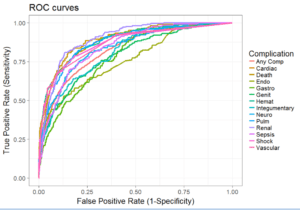
Using available surgical patient data, we developed a model for preoperative risk stratification, specifically the identification of key risk factors that predict complications and mortality after surgery. Using variables and risk strata identified in the model, we prospectively piloted a risk stratification process at the point of surgical referral. This would provide clearer estimates of patients in need of optimization.
Impact
We developed an easy-to-use calculator that allows providers in surgery, anesthesia, medical specialties or primary care to evaluate the risk of complications for their patients. We plan to validate our analytical models using retrospective data from patients previously seen in the Perioperative Optimization of Senior Health (POSH), Preoperative Enhancement Team (POET) and Preoperative Anesthesia Testing (PAT). We will refine the predictive capacity of the tool by including variables collected in POSH clinic to the risk assessment model (e.g., function, falls, cognitive performance, gait speed, nutritional status, social and financial vulnerability) and evaluate the impact on outcomes