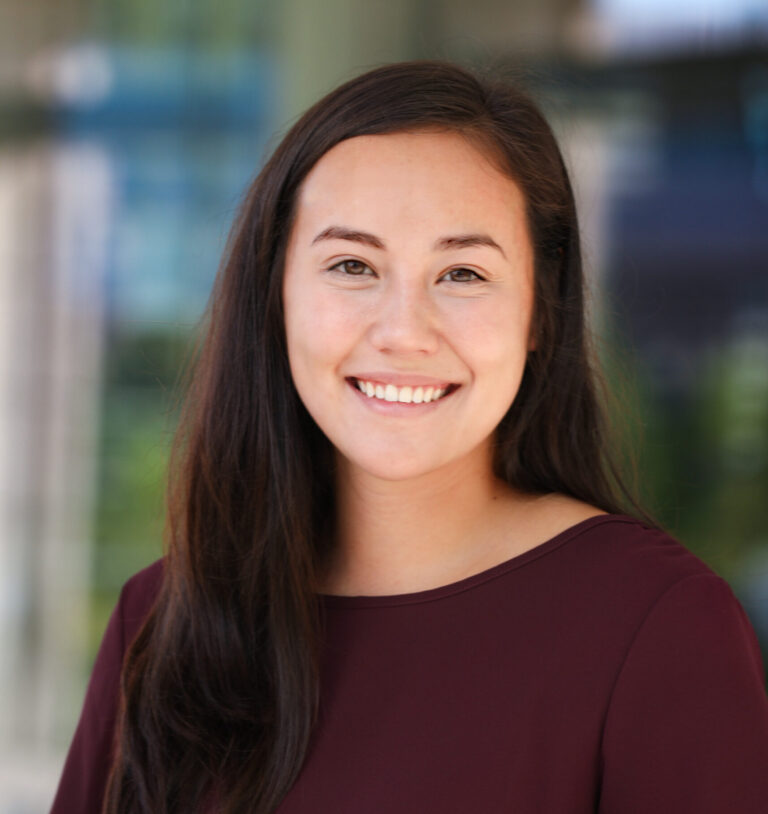
DIHI 2017 & 2018 Innovation Scholar
I initially chose to apply for the DIHI medical student scholarship because I had an interest in biomedical informatics and had heard about DIHI’s inspiring work with EHR data. I had learned that their projects were aimed to better inform and even drive clinical decision making, improving patient and health system outcomes using patient data. So, I applied to work on a surgical data science project building a machine learning model to predict post-operative patient outcomes. Truthfully, I had no idea what “data science” and “machine learning” actually were at the time. But, being surrounded by people and an environment that not only encouraged self-learning and innovative thinking, but required it, I dove in head first, mimicking everyone around me.
Success in academic medicine is defined by certain traditional concrete metrics. Conferences attended, papers published, and influential networks joined form the mainstay measurement of academic achievement today. Because Duke University School of Medicine allows its students to experience a research year with the intellectual freedom to choose one’s research topic with no regular grading system in place, this year is especially vulnerable to these classic methodologies of measuring success. Objectively reflecting back on my third year of research with DIHI, I can say that I met all three of these metrics. I’ve had the privilege of presenting my team’s work to leadership and at national conferences while having the opportunity to formally write up our work. In the traditional medicine sense, my research year checks the intentional boxes that it was supposed to. But what I really gained from my DIHI experience was the new mindset that anything is actually possible with the right people around you. Walking away with this knowledge far surpasses those traditional accomplishments by enhancing who I am as a researcher as well as a person.