
CALYPSO: Machine Learning for Assessing & Managing Surgical Outcomes
Building statistical models and using machine learning principles to predict the absolute and relative risks of surgical complications for specific patients.

Building statistical models and using machine learning principles to predict the absolute and relative risks of surgical complications for specific patients.

Contextual, individualized, case-oriented medical learning for anesthesiology residents.
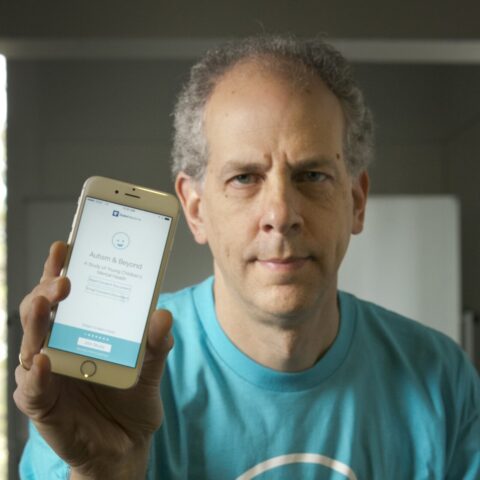
Tests the reliability of smart phone questionnaires and video analysis of facial expressions as a possible screening tool for autism and other developmental disorders of children.

Capturing video “selfies” of pediatric patients with sickle cell disease to enhance medication adherence, education and engagement.

Use of validated statistical models on Duke data to predict the rate of decompensation for patients with Chronic Kidney Disease (CKD) while also creating a novel model of team-based care, Population Rounding TM.

The 21st Century Six Minute Walk aims to modernize under-utilized traditional office- based performance tests by providing COPD and CHF patients with wearables that transmit the patients’ daily step count passively to the EHR and creating patient- specific alerts for early warning signs.
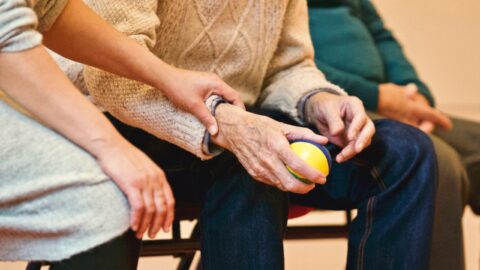
Performing PHQ2 and subsequent PHQ9 on all patients that are having an annual visit or are in the primary care clinic for a post-hospital discharge visit. Based on the PHQ9 score, patients are connected to care management and virtually rounded on by a med/psych attending.
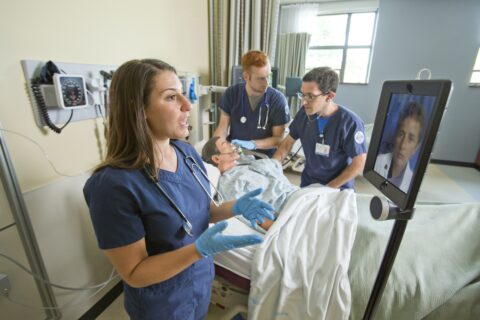
Novel use of telemedicine to facilitate weekly post-discharge care conferences between hospital and skilled nursing facility provider teams to systematically review patients, improve transitional care and reduce readmissions.

Provide patient-centered home transplant (PCHT) to improve patient safety, clinical efficacy, and value for hematopoietic stem cell transplantation (HCT) patients.