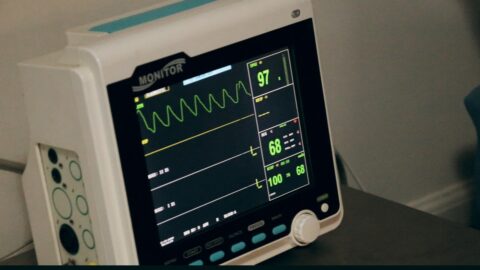
Detection and Treatment of Patient Deterioration
Develop and implement a machine learning risk score for patient deterioration.

Develop and implement a machine learning risk score for patient deterioration.
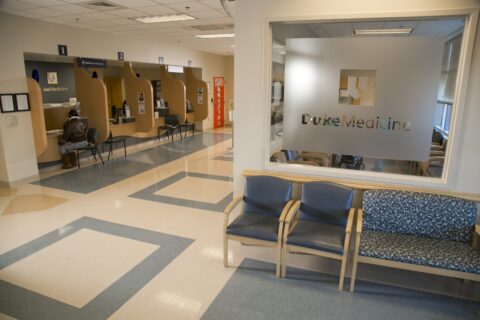
Develop a clinical dashboard built on existing DIHI databases and predictive modeling to assist in providing more efficient dispositions for emergency department patients by predicting clinical trajectory and need for admission.
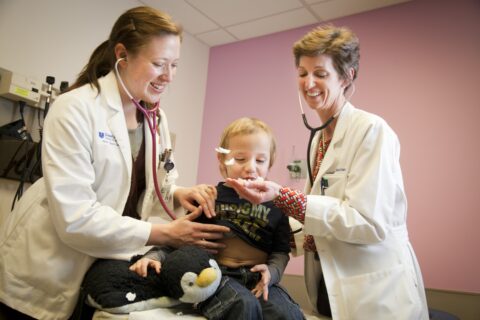
Develop machine learning methods that will identify children at risk for clinical deterioration.

Simulated telehealth evaluation of shoulder pain using patient self-examination will be compared to traditional clinical examination of shoulder pain using MRI as the gold standard to determine accuracy in detecting rotator cuff tears.
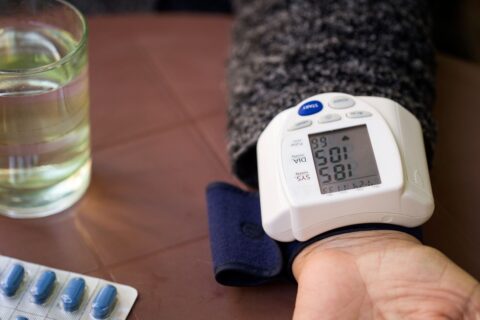
Implement a blood pressure management clinical pathway to better incorporate PCPs as active members of the cancer care team.

Create a chest pain assessment tool which integrates with Epic using FHIR to rule-in or rule-out acute MI.
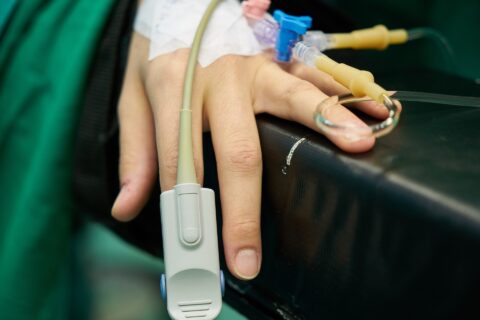
Develop predictive models to identify rapidly and accurately CTS patients at high-risk (and high-cost) for postoperative clinical deterioration necessitating readmission from the SDU back to the ICU.

Implement an RFID system that could be integrated into the OR to measure instrument usage autonomously.

Identify optimal, individualized treatment policies for insulin dosing in the context of systemic glucocorticoids.